THE REQUIREMENT
BS 3632:2023 clause 4.3.4 Sound insulation states:
‘To minimize the transmission of airborne noise through the residential park home structure, the external wall construction (excluding doors, windows and ventilation openings) shall have a sound reduction index (R) of 33dB over a frequency range of 100 Hz to 3150 Hz when tested in an acoustic laboratory in accordance with with BS EN ISO 10140-2.
Note: The acoustic test report should include a drawing of the tested panel showing all the components including the stud layout.‘
BS 3632:2023 also includes the following updated requirements which will affect the design of the external wall construction:
Clause 4.2.3: Thermal insulation
‘The external envelope structure shall [have a U-value] not greater than 0.3 W/m2K.’
Clause 4.2.1 Moisture resistance:
‘To assist in mitigating the risk of water vapour from inside the residential park home causing condensation within the external envelope structure the external envelope structure shall have a proprietary continuous air and vapour control layer (AVCL) between the internal space and the thermal insulation, with a typical vapour resistance of not less than 50 MN·s/g. As an alternative to an AVCL, unless otherwise stated, an interstitial condensation risk assessment shall be carried out to confirm that the materials selected mitigate the risk under normal annual conditions.’
WHAT IS NEEDED TO DEMONSTRATE COMPLIANCE
For residential park homes manufactured in accordance with BS 3632:2023, to demonstrate compliance each manufacturer must provide acoustic laboratory test evidence that every type of external wall construction used in the manufacturer of a residential park home meets the requirements for sound reduction.
Each wall type must be tested and if the manufacturer later changes the construction from what was tested, then they must test the new construction and provide new acoustic laboratory test evidence.
Acoustic laboratory test evidence is the result of having relatively small sized wall panels tested at an acoustic laboratory. The laboratory will produce an official test report (UKAS or similar) detailing the RSI result. The test report will also record full details of the test panel construction so that it can be verified against the physical construction of a residential park home.
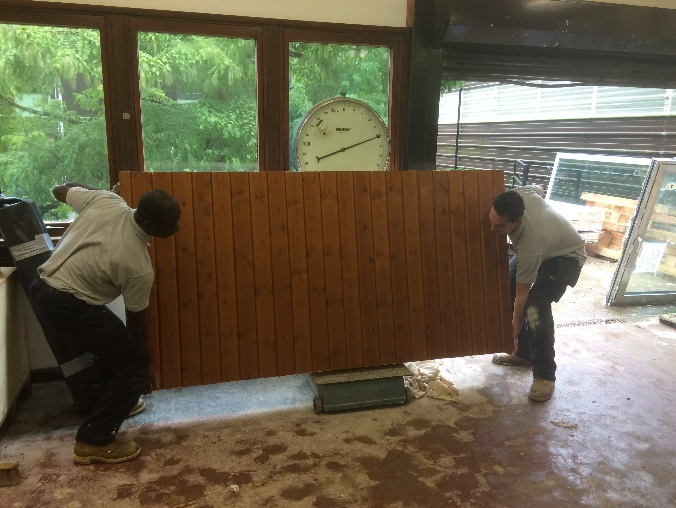
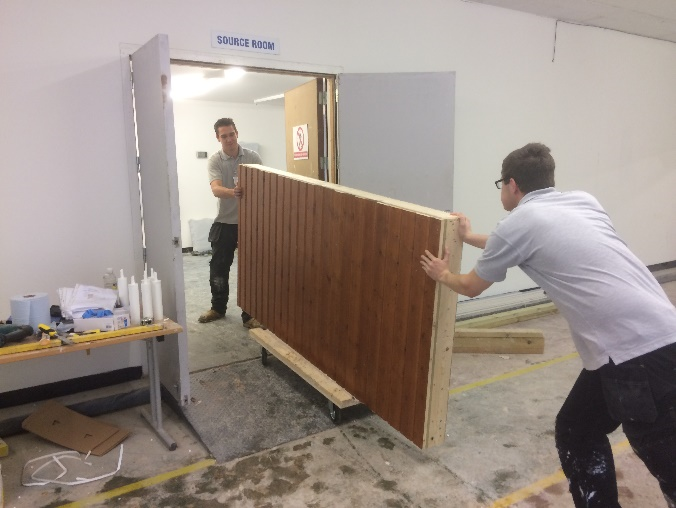
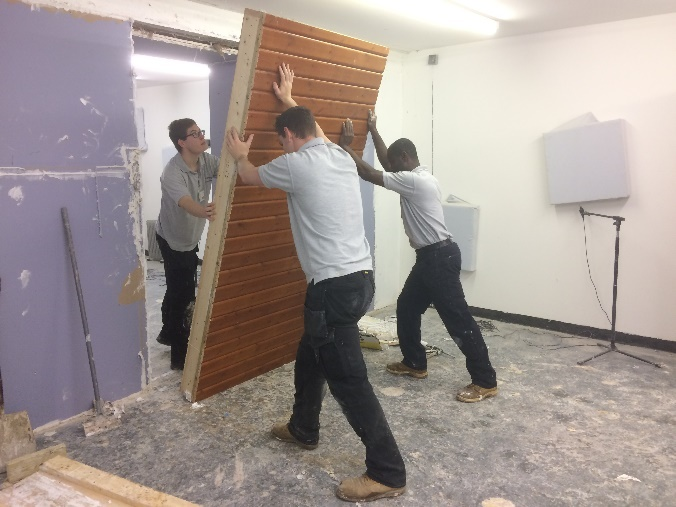
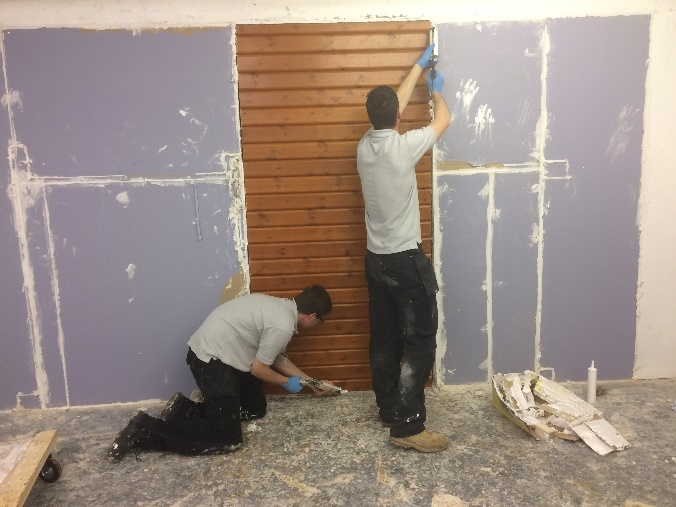
However, the cost of hiring an acoustic laboratory facility is high, especially when conducting only a small number of tests. Add to that the costs of you staffing the testing project (we use four people), overnight accommodation and subsistence, vehicle and travel costs, test materials, disposal of the panels, etc, and the true cost of testing is significant.
HOW WE CAN HELP
To assist manufacturers in getting evidence for their wall construction(s), JAELEMEE has developed a program with a leading acoustic laboratory. On demand, we facilitate combined test projects to bring together several interested parties so that testing can be done in a streamlined and more cost-effective manner designed to take away all the hassle from the home manufacturer.
When there are enough enquiries to make a test project viable (usually at least 10 panels), we book the acoustic laboratory for the next available date in their testing schedule, and then we take care of just about everything else on your behalf.
The test projects are carried out using our own experienced staff and no other persons are allowed to be present. In this way we can ensure complete confidentiality and test the maximum number of panels possible within the day. If the demand is there for more than ten panels then we can extend the operation of the lab accordingly.
Testing in an acoustic laboratory in accordance with BS EN ISO 10140-2 measures the ability of the external wall structure to reduce the transmission of sound. Certificates are produced for each test panel and are embedded within the test report which then goes on to detail the test panel construction and stud layout, as well as the specific test parameters.
BS EN 10140-2 uses the frequency range of 100-3150Hz, and a test certificate is included in the test report.
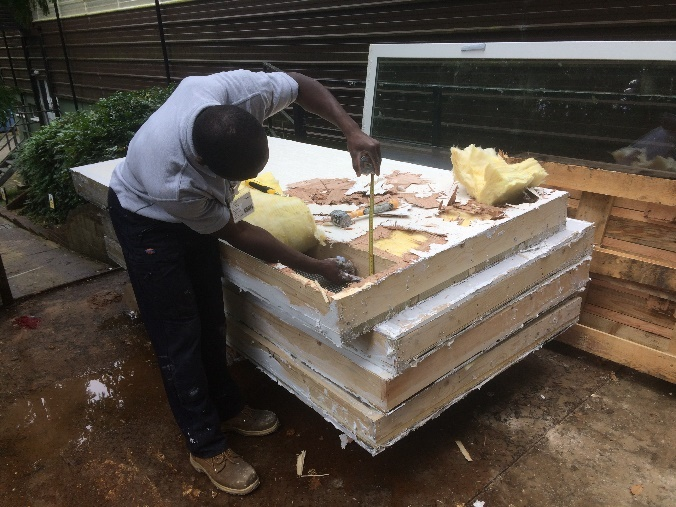
After the test is completed, we verify the panel by deconstructing it to confirm that the components are as stated by the home manufacturer. Our verified panel datasheet is then included in the test report. This means that we have done all that is possible to ensure that the criteria for ‘good evidence’ is met.
The acoustic laboratory’s test report takes a long time to finalize (several weeks or even months as a result of the UKAS verification and auditing process), but we will issue our verified panel data sheet as soon as possible after the test (please note: this is subject to us receiving the necessary information from you – see Appendix A1).
Each manufacturer receives the results for their own wall panels only, and each manufacturer receives their own independent acoustic laboratory test report.